
Original: $7.56
-70%$7.56
$2.27The Story
Turbidity Sensor with Arduino Nano R3 Development Board Compatible with Arduino
The Nano board R3 is integrated with the CH340 chip and is compatible with Arduino. Each of the 14 digital pins on the Nano can be used as an input or output, using pinMode(), digitalWrite(), and digitalRead() functions. They operate at 5 volts. Each pin can provide or receive a maximum of 40 mA and has an internal pull-up resistor (disconnected by default) of 20-50 kOhms.
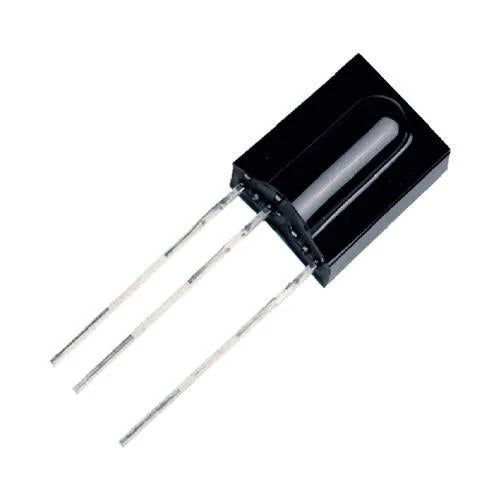
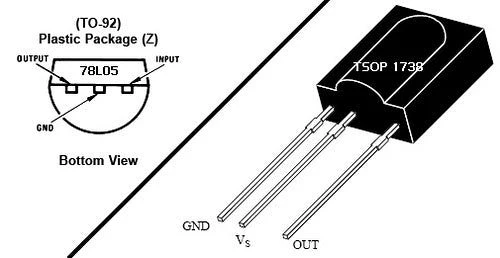
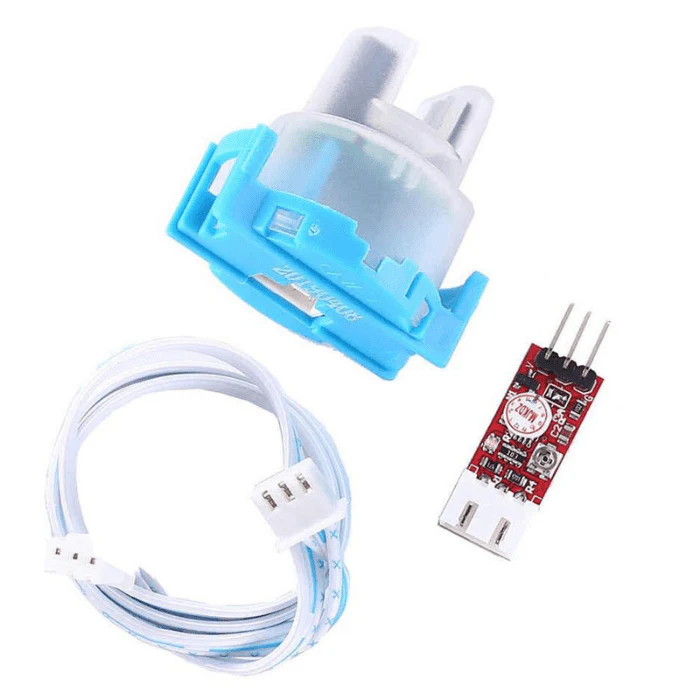
The Turbidity Sensor emits at its end an infrared light, imperceptible to human vision, capable of detecting particles that are suspended in water, measuring the light transmittance and the dispersion rate, which changes according to the amount of TSS (Total Suspended Solids), increasing the turbidity of the liquid whenever levels increase.
Key Features:
Nano Development Board:
- Integrated with the CH340 chip.
- Compatible with Arduino.
- 14 digital pins for input/output.
- Uses ATmega328 microcontroller.
- Each digital pin can handle up to 40 mA of current, with optional internal pull-up resistors (20-50 kOhms).
Turbidity Sensor:
- Emits infrared light to identify suspended particles in water.
- It measures light transmittance and dispersion rate.
- Turbidity can be measured in the range of 0 to 1000 Nephelometric Turbidity Units (NTU).
- Measures turbidity with great sensitivity and precision.
Application:
- Washing machines,
- Dishwashers,
- industrial site control,
- environmental sewage collection
- Water quality monitoring using IoT

Details & Craftsmanship
Every detail has been carefully considered to bring you the perfect product.
Details & Craftsmanship
Every detail has been carefully considered to bring you the perfect product.

Details & Craftsmanship
Every detail has been carefully considered to bring you the perfect product.
Description
Turbidity Sensor with Arduino Nano R3 Development Board Compatible with Arduino
The Nano board R3 is integrated with the CH340 chip and is compatible with Arduino. Each of the 14 digital pins on the Nano can be used as an input or output, using pinMode(), digitalWrite(), and digitalRead() functions. They operate at 5 volts. Each pin can provide or receive a maximum of 40 mA and has an internal pull-up resistor (disconnected by default) of 20-50 kOhms.
The Turbidity Sensor emits at its end an infrared light, imperceptible to human vision, capable of detecting particles that are suspended in water, measuring the light transmittance and the dispersion rate, which changes according to the amount of TSS (Total Suspended Solids), increasing the turbidity of the liquid whenever levels increase.
Key Features:
Nano Development Board:
- Integrated with the CH340 chip.
- Compatible with Arduino.
- 14 digital pins for input/output.
- Uses ATmega328 microcontroller.
- Each digital pin can handle up to 40 mA of current, with optional internal pull-up resistors (20-50 kOhms).
Turbidity Sensor:
- Emits infrared light to identify suspended particles in water.
- It measures light transmittance and dispersion rate.
- Turbidity can be measured in the range of 0 to 1000 Nephelometric Turbidity Units (NTU).
- Measures turbidity with great sensitivity and precision.
Application:
- Washing machines,
- Dishwashers,
- industrial site control,
- environmental sewage collection
- Water quality monitoring using IoT